
Navigate dual-use goods screening with confidence
Dual-use goods can have both civilian and military applications. Identifying goods that may require further assessment can be difficult when source information is spread across regulations and regimes, official descriptions are technical and commercial records use different terminology or codes. Organisations may need to compare invoices, payment messages, shipment information, product catalogues and technical records with dual-use control information. That work can be complicated by fragmented sources and differences between formal control-list language and commercial descriptions.
LSEG Dual-Use Goods Data Feed provides structured, enriched reference data designed to support identification and review within existing workflows. It complements, rather than replaces, sanctions, party-screening and specialist export-control processes.
What is Dual-Use Goods Data Feed?
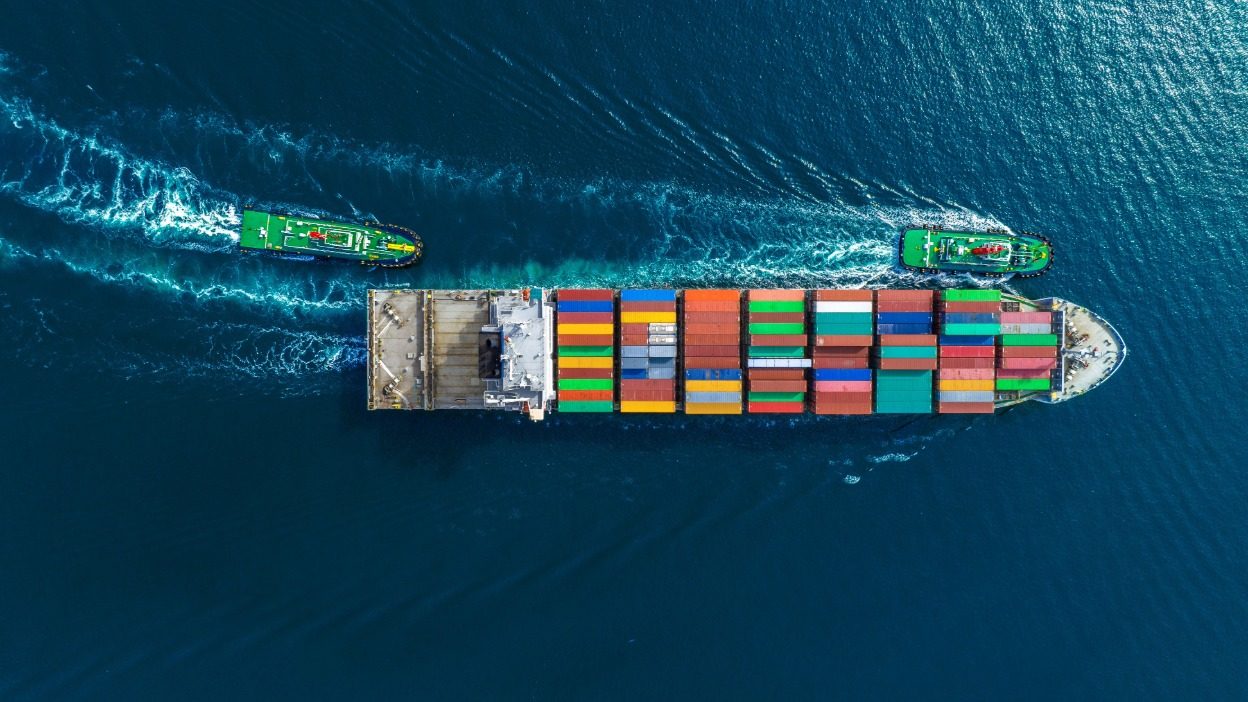
Dual-Use Goods Data Feed is a structured reference data feed for dual-use goods intelligence. It makes relevant source content easier to integrate, compare and review where goods information in trade documents, payment messages, shipment or customs data, product catalogues or technical records may warrant specialist assessment. The feed adds a goods-level perspective that can complement sanctions, party-screening and due-diligence controls. The data is published monthly in CSV, XML, XLSX and JSON, subject to source updates. Final commercial access and delivery arrangements should be confirmed with product.
Dual-Use Goods Data Feed at a glance
- Bring multiple dual-use source lists and regimes into a single structured reference dataset.
- Broaden comparison signals with standardised descriptions, classifications, keywords and match phrases.
- Use enriched codes, including HS codes and, where applicable, CAS codes, to support goods identification.
- Trace records back to source information to support review and auditability.
- Integrate structured data into existing trade, payments, shipment, product and compliance workflows.
Features and benefits
Bring dual-use goods content from multiple jurisdictions and international regimes into one structured dataset.
Compare standardised goods names and descriptions across sources to make related records easier to assess.
Use keywords and match phrases alongside formal descriptions to support comparison with commercial goods information.
Apply HS codes and, where available, CAS codes and other identifiers to support goods-level comparison.
Use source URLs, supporting information and unique LSEG record identifiers to trace and review relevant records.
Receive the full data monthly in CSV, XML, XLSX or JSON for integration into existing workflows.
Who uses Dual-Use Goods Data Feed?
For organisations that need to assess goods as part of cross-border trade or payment activity, the feed provides a common structured reference point that can be integrated into existing systems. Compliance, trade-finance, export-control, logistics and product teams can use the same underlying intelligence to identify potential matches for further assessment, while retaining responsibility for applying internal policies, specialist expertise and applicable legal requirements.
Why choose Dual-Use Goods Data Feed
Consolidate fragmented source content

Dual-use control information can sit across multiple jurisdictions and regimes. The feed brings relevant goods content together in one structured reference dataset, reducing reliance on separate locally maintained lists and giving teams a more consistent data foundation for comparison and review.
Compare commercial language with control-list information

Commercial descriptions do not always mirror formal control-list wording. Standardised descriptions, keywords, match phrases and classification codes provide additional signals that can be applied to goods information, helping teams identify records that may warrant closer specialist assessment.
Support traceable review
Teams need to understand the information behind a potential match. Source URLs, supporting information and unique record identifiers help users trace relevant records back to their source content, supporting internal investigation, escalation and audit processes without replacing human judgement.
Fit intelligence into existing workflows

The feed is available as a full monthly file in CSV, XML, XLSX and JSON. This supports integration into trade, payments, shipment, product-classification and compliance processes so organisations can apply goods intelligence within the systems they already operate.
How Dual-Use Goods Data Feed works
-
1
-
2
-
3
-
4
Use cases
Trade finance screening
Trade documents such as commercial invoices, bills of lading, certificates of origin and letters of credit can contain descriptions and commodity codes that need further assessment. Dual-Use Goods Data Feed provides structured descriptions, classifications, keywords and available codes that can be compared with this information to identify possible dual-use goods relationships. This can help direct specialist attention to transactions that may warrant closer review. The feed is an identification aid. The organisation remains responsible for applying its own policies, expertise and applicable legal or licensing requirements.
Payments screening
Cross-border payment messages can sometimes include information about the goods underlying a transaction. Where relevant goods information is available, Dual-Use Goods Data Feed can add a goods-level perspective alongside existing party, sanctions and due-diligence controls. Structured descriptions, keywords, classifications and available codes can support comparison and help surface potential matches for review. The feed does not determine whether a transaction is permitted or prohibited, and it should not be used as the sole basis for a legal or compliance decision.
Shipment and customs review
Shipment, logistics and customs processes can contain descriptions, classifications and commodity codes for goods moving across borders. The feed can be applied to these records to help identify items that may correspond to dual-use goods data and may require additional assessment. Source information and structured attributes can support follow-up by the appropriate trade or compliance team. The product supports identification and review. It does not replace specialist export-control analysis, determine licensing requirements or provide a definitive legal classification.
Product and component screening
Product catalogues, bills of materials and technical descriptions can span many items and markets. LSEG Dual-Use Goods Data Feed provides a structured reference point for comparing product and component information with dual-use goods descriptions, classifications, keywords and available codes. This can help teams identify products that may warrant specialist export-control or compliance review and create a more consistent reference dataset across workflows. Final classification and compliance decisions remain the responsibility of the organisation and its appropriate subject-matter experts.
Related Products



FAQs
Request details
Explore how LSEG Dual-Use Goods Data Feed could support goods identification and review across your trade, payments, shipment, product and compliance workflows.
Email your local sales team
Call your local sales team
Americas
All countries (toll free): +1 800 427 7570
Brazil: +55 11 47009629
Argentina: +54 11 53546700
Chile: +56 2 24838932
Mexico: +52 55 80005740
Colombia: +57 1 4419404
Europe, Middle East, Africa
Europe: +442045302020
Africa: +27 11 775 3020
Middle East & North Africa: 800035704182
Asia Pacific (Sub-Regional)
Australia & Pacific Islands: +612 8066 2494
China mainland: +86 10 6627 1095
Hong Kong & Macau: +852 3077 5499
India, Bangladesh, Nepal, Maldives & Sri Lanka:
+91 22 6180 7525
Indonesia: +622150960350
Japan: +813 6743 6515
Korea: +822 3478 4303
Malaysia & Brunei: +603 7 724 0502
New Zealand: +64 9913 6203
Philippines: 180 089 094 050 (Globe) or
180 014 410 639 (PLDT)
Singapore and all non-listed ASEAN Countries:
+65 6415 5484
Taiwan: +886 2 7734 4677
Thailand & Laos: +662 844 9576