
- Based on insights from LSEG’s latest global wealth report, AI is shifting the advisor role from information gathering to insight orchestration, with intelligence increasingly embedded directly into workflows and decision-making.
- The research shows firms are using AI to automate routine tasks and surface relevant insights, freeing advisors to focus on higher-value work such as client engagement, judgement and portfolio guidance.
- Rather than replacing advisors, AI is elevating their role, with leading firms using it to deliver more personalised, timely and context-aware advice at scale.
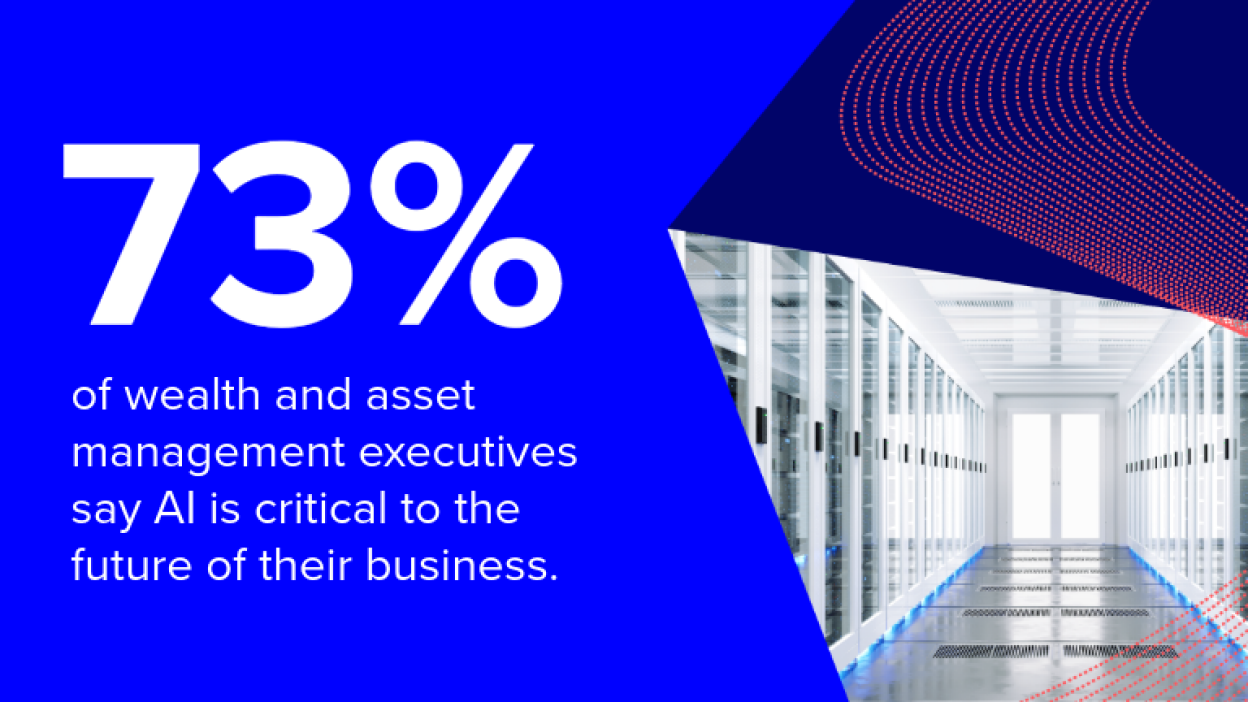
Is AI a friend or foe to the wealth advisor? It is a question facing financial professionals around the world. Artificial intelligence is reshaping the advisor experience faster than any previous technology — but not in the way many expected. Our latest research finds that, rather than replacing advisors, AI is increasingly being used to enhance their capabilities, embedding intelligence directly into workflows and improving the quality and relevance of advice. The result is a fundamental shift in how advisors spend their time, how they engage with clients and, ultimately, how value is delivered.
From information gathering to insight orchestration
As firms move from pilots to production, AI is becoming a core part of the advisor desktop and investment office. Historically, advisors spent a significant share of their day gathering information: pulling portfolio data, reviewing research and preparing for client meetings.
AI is rapidly changing that model. With generative AI and internal tools, advisors can search large repositories of firm data in natural language, quickly identify relevant insights and summarise complex information. Instead of manually compiling data, they can focus on selecting, prioritising and interpreting the insights that matter most.
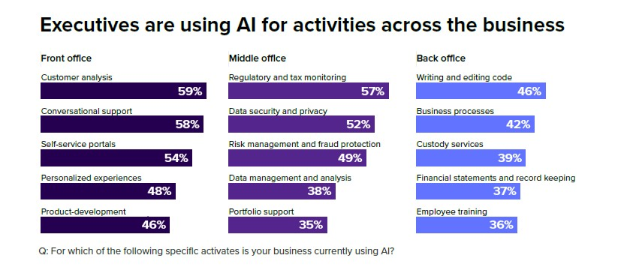
Nearly six in ten firms already use AI to deepen client analysis, and close to half are creating highly customised products, raising expectations for proactive, always-on, personalised service. In addition, firms have begun adopting generative AI to produce content, synthesise documents and generate meeting summaries.
In this model, the value of the advisor lies less in access to information and more in the ability to translate that information into meaningful action.
Redefining the advisor’s role
Crucially, AI is elevating the advisor’s role rather than diminishing it. AI tools can enhance advisors’ interpersonal skills and relationship management, allowing them to focus on judgement, narrative and the emotional side of money. The skills that become more valuable in this model are distinctly human: empathy, active listening, the ability to frame complex trade-offs and the judgement to know when to challenge or reassure a client.
Removing friction from advisor workflows
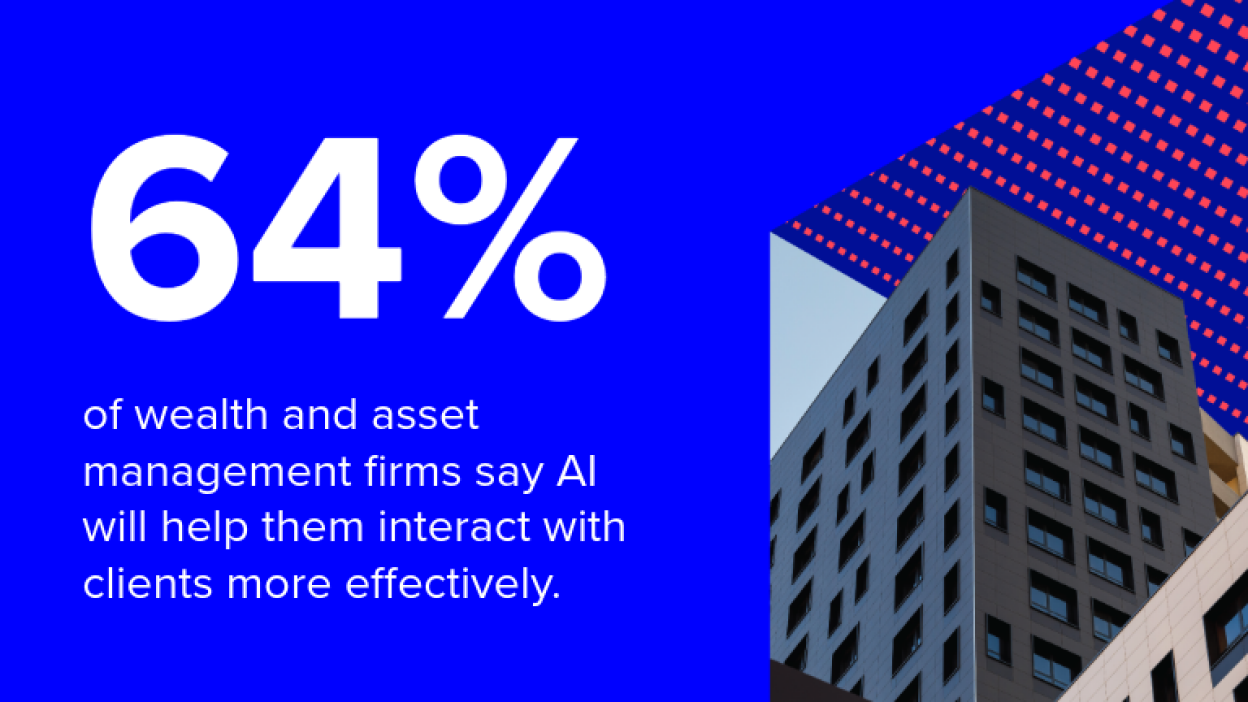
AI is also reducing friction across day-to-day advisor workflows. Automation now handles previously manual tasks such as capturing and summarising meeting notes, pre-populating compliance fields, updating CRM records and drafting client communications.
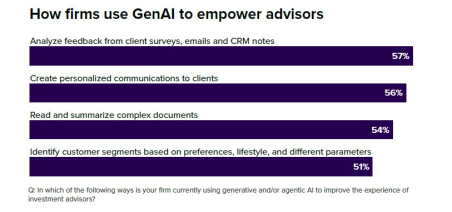
For example, in our recent study, the majority of wealth firms are using AI to empower advisors to perform tasks such as analysing feedback from client surveys, emails and CRM notes (57%), creating personalised communications for clients (56%), reading and summarising complex documents (54%), and identifying customer segments based on preferences, lifestyle and other parameters (51%).
For many firms, this is not just a marginal efficiency gain. It represents a meaningful shift in how time is allocated. Hours previously spent on administration can be redirected towards higher-value activities such as client engagement, relationship building and portfolio guidance.
From early adoption to the next wave of AI
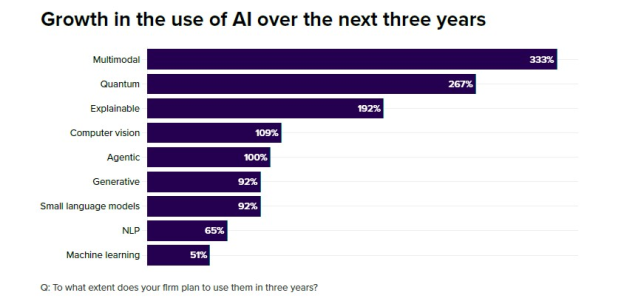
The emerging blueprint for the advisor experience is clear: AI handles the heavy lifting on information and process; advisors bring context, nuance and human connection. Firms that get this balance right will not only improve productivity, but also build stronger, more distinctive client relationships at scale.
The advisor isn’t disappearing — the role is being redefined
The future of the advisor is not being automated away — it is being redefined.
AI is shifting the role of the advisor from managing information to delivering insight, and from executing processes to shaping outcomes. By removing friction and improving access to intelligence, AI allows advisors to focus on what matters most: understanding clients, providing guidance and building trust.
Firms that strike the right balance — combining intelligent systems with human judgement — will not only improve productivity, but also deliver more personalised, consistent and differentiated advice at scale.

Read more about

Legal Disclaimer
Republication or redistribution of LSE Group content is prohibited without our prior written consent.
The content of this publication is for informational purposes only and has no legal effect, does not form part of any contract, does not, and does not seek to constitute advice of any nature and no reliance should be placed upon statements contained herein. Whilst reasonable efforts have been taken to ensure that the contents of this publication are accurate and reliable, LSE Group does not guarantee that this document is free from errors or omissions; therefore, you may not rely upon the content of this document under any circumstances and you should seek your own independent legal, investment, tax and other advice. Neither We nor our affiliates shall be liable for any errors, inaccuracies or delays in the publication or any other content, or for any actions taken by you in reliance thereon.
Copyright © 2026 London Stock Exchange Group. All rights reserved.
The content of this publication is provided by London Stock Exchange Group plc, its applicable group undertakings and/or its affiliates or licensors (the “LSE Group” or “We”) exclusively.
Neither We nor our affiliates guarantee the accuracy of or endorse the views or opinions given by any third party content provider, advertiser, sponsor or other user. We may link to, reference, or promote websites, applications and/or services from third parties. You agree that We are not responsible for, and do not control such non-LSE Group websites, applications or services.
The content of this publication is for informational purposes only. All information and data contained in this publication is obtained by LSE Group from sources believed by it to be accurate and reliable. Because of the possibility of human and mechanical error as well as other factors, however, such information and data are provided "as is" without warranty of any kind. You understand and agree that this publication does not, and does not seek to, constitute advice of any nature. You may not rely upon the content of this document under any circumstances and should seek your own independent legal, tax or investment advice or opinion regarding the suitability, value or profitability of any particular security, portfolio or investment strategy. Neither We nor our affiliates shall be liable for any errors, inaccuracies or delays in the publication or any other content, or for any actions taken by you in reliance thereon. You expressly agree that your use of the publication and its content is at your sole risk.
To the fullest extent permitted by applicable law, LSE Group, expressly disclaims any representation or warranties, express or implied, including, without limitation, any representations or warranties of performance, merchantability, fitness for a particular purpose, accuracy, completeness, reliability and non-infringement. LSE Group, its subsidiaries, its affiliates and their respective shareholders, directors, officers employees, agents, advertisers, content providers and licensors (collectively referred to as the “LSE Group Parties”) disclaim all responsibility for any loss, liability or damage of any kind resulting from or related to access, use or the unavailability of the publication (or any part of it); and none of the LSE Group Parties will be liable (jointly or severally) to you for any direct, indirect, consequential, special, incidental, punitive or exemplary damages, howsoever arising, even if any member of the LSE Group Parties are advised in advance of the possibility of such damages or could have foreseen any such damages arising or resulting from the use of, or inability to use, the information contained in the publication. For the avoidance of doubt, the LSE Group Parties shall have no liability for any losses, claims, demands, actions, proceedings, damages, costs or expenses arising out of, or in any way connected with, the information contained in this document.
LSE Group is the owner of various intellectual property rights ("IPR”), including but not limited to, numerous trademarks that are used to identify, advertise, and promote LSE Group products, services and activities. Nothing contained herein should be construed as granting any licence or right to use any of the trademarks or any other LSE Group IPR for any purpose whatsoever without the written permission or applicable licence terms.